
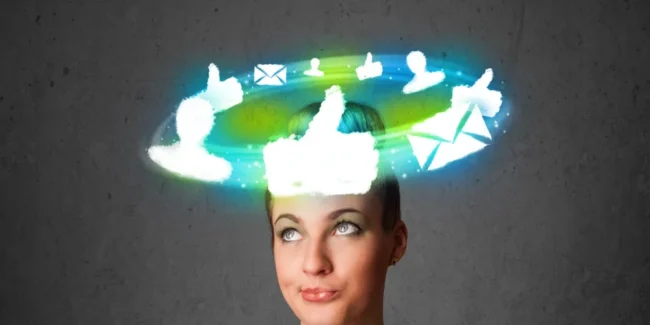
Social Media Validation Addiction
Social media is not the problem by default. Most people can use it as a tool, post, watch, message, laugh, move on. The problem starts when it stops being a tool and becomes a mood regulator. When the notification becomes the thing that steadies you. When silence makes you anxious. When your day is shaped by whether strangers, followers, or even friends react to you. That is social media validation addiction, and it’s far more common than people want to admit because it hides behind words like “branding,” “networking,” “content,” and “staying connected.”
A lot of people will read that and say, relax, it’s just Instagram. But addiction isn’t measured by whether something is socially acceptable. It’s measured by what it does to your behaviour, your emotions, your relationships, and your ability to function. If you keep checking even when you don’t want to, if you feel pulled back even when you know it’s making you miserable, if you shape your life around being seen, then it’s not “just an app.” It’s dependency.
The reason this matters for We Do Recover is simple, addiction isn’t only substances. We live in a world where behavioural addictions have become normalised. People laugh about being “addicted” to their phones, but they’re not laughing when they can’t sleep, can’t concentrate, and can’t feel stable unless they’re being noticed.
How platforms train you to perform instead of live
Social platforms reward performance. They reward the best angle, the best lighting, the most controversial take, the most emotional story, the most polished version of you. Over time, people start living with an audience in their head. They don’t just go for dinner, they think about the post. They don’t just go on holiday, they think about the reel. They don’t just get dressed, they think about whether it photographs well.
This is where life gets distorted. You start choosing experiences for how they will look, not how they will feel. You start measuring your life through reaction, not through reality. If the post gets engagement, you feel good. If it doesn’t, you question the experience itself, like the moment didn’t count if it wasn’t witnessed.
That is a dangerous way to live because it disconnects you from your own internal feedback. Instead of asking, did I enjoy that, you ask, did people react. Instead of asking, am I okay, you ask, did anyone notice. That is the seed of dependency.
When it becomes addiction
It becomes addiction when you don’t feel free. When you feel compelled. When your phone owns your attention and you can’t sit through a conversation without checking. When you wake up and your first move is to check what happened while you slept. When you keep checking for messages, likes, views, comments, reactions, and you can’t settle until you’ve checked.
It’s a problem when your mood depends on engagement. When a post “doing well” lifts you and a post “doing badly” crushes you. When you delete posts because they didn’t get enough reaction. When you keep looking at who viewed your story. When you interpret silence as rejection. When you start feeling jealous or resentful of other people’s engagement.
Another red flag is secrecy. Not necessarily hiding the app, but hiding your dependence. Downplaying how much you check. Getting defensive when someone points it out. Feeling irritated if your partner interrupts you while you scroll. Feeling restless when you can’t access it.
And then there’s the subtle one, losing the ability to be alone with yourself. If silence feels unbearable, if you reach for the phone the second you feel bored or uncomfortable, your nervous system has become dependent on stimulation.
The nervous system angle
Social media addiction is hard to stop because it runs on intermittent rewards. Sometimes you post and it goes off. Sometimes it flops. Sometimes you get a message. Sometimes you don’t. That unpredictability makes checking more compulsive. The brain learns, maybe this time. That’s the same mechanism used in gambling, uncertain rewards produce strong repetition.
It also runs on social survival wiring. Humans are wired to care about belonging. Rejection used to be dangerous. Social media hijacks that system by turning belonging into metrics. Likes become proof of acceptance. Silence becomes perceived rejection. That is why people can’t just “not care.” The brain is treating the platform as a social environment where your status matters.
Reducing the power of the notification
The first step is to remove the platform’s ability to interrupt you. Notifications are not neutral. They are hooks. If you want your attention back, turn off all notifications except the ones that truly matter, like direct calls or critical messages. You don’t need your phone to tell you someone liked your photo. That information can wait.
Then create friction. Remove social apps from your home screen. Log out. Make it harder to check mindlessly. Set specific check-in times, for example, once at lunchtime and once in the evening, rather than all day. This is not about rigid rules, it’s about breaking automatic behaviour.
Create phone-free zones, meals, bedroom, car, and at least part of your morning. If your first hour of the day is social media, you are letting the platform set your emotional tone before you’ve even entered your own life.
Why being unseen feels unbearable
Practical changes help, but the deeper work is asking why you need the validation so badly. For some people it’s loneliness. For others it’s childhood wounds, never feeling good enough, never feeling noticed, always having to perform to earn love. For others it’s anxiety and a need for control, if I manage my image, I manage how people see me, and then I feel safer.
Sometimes it’s depression. When you feel flat inside, engagement gives you a spark. Sometimes it’s social fear. Posting is easier than real interaction because you can control it. Sometimes it’s work identity. You feel like you have to be “on” to stay relevant.
This is where therapy can be essential. Not because social media is evil, but because addiction often sits on top of deeper pain. If you don’t address the deeper pain, you will just replace social media with another compulsive outlet.
Being present without needing to be witnessed
The goal isn’t to become someone who never posts. The goal is to become someone who can live without being monitored. Someone who can enjoy a moment without thinking about how it will look. Someone who can sit in silence without panic. Someone who can be unseen and still feel okay.
If your nervous system is currently dependent on being noticed, you can change that. But it won’t change through a motivational speech. It changes through consistent boundaries, building real-life connection, and doing the uncomfortable work of learning to tolerate stillness and uncertainty.
If you’re reading this and thinking, that’s me, don’t wait for it to get worse. Turn off the notifications today. Create friction. Reclaim mornings and nights. Spend time with people without filming it. And if you can’t stop checking, if your mood is tied to engagement, if the platform feels like it owns you, get help sooner rather than later. You are not “dramatic.” You’re seeing a dependency pattern early, and early action saves years of damage.